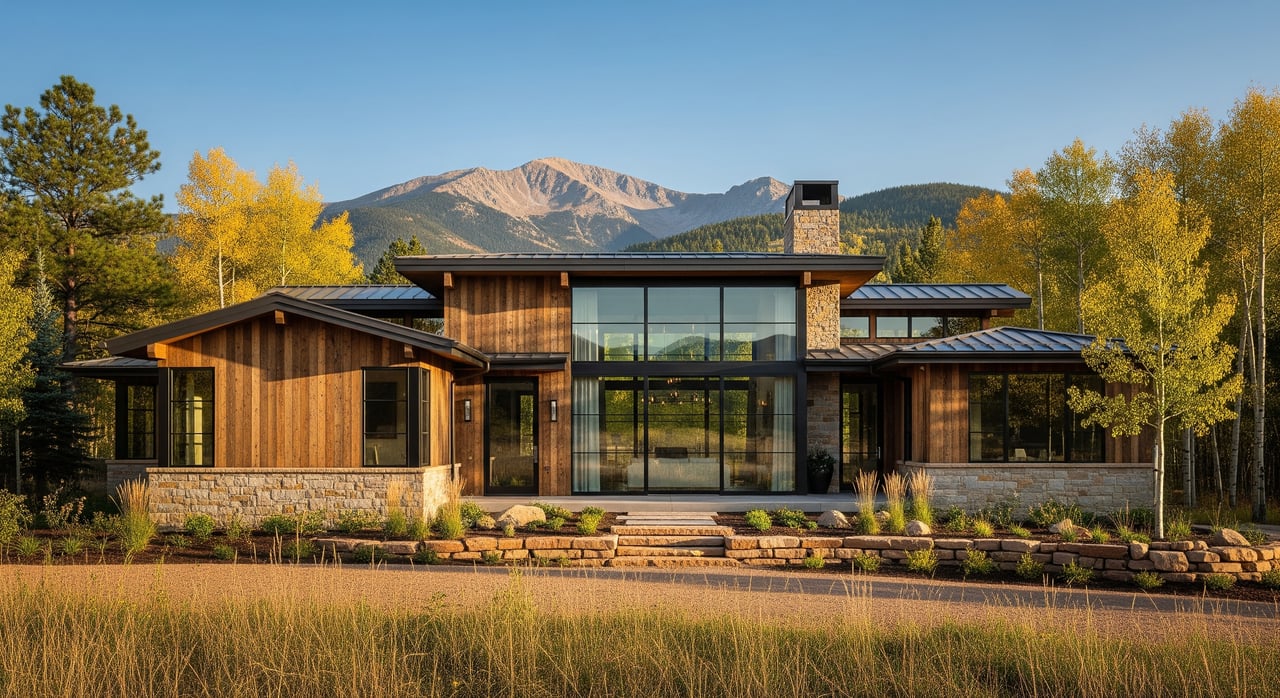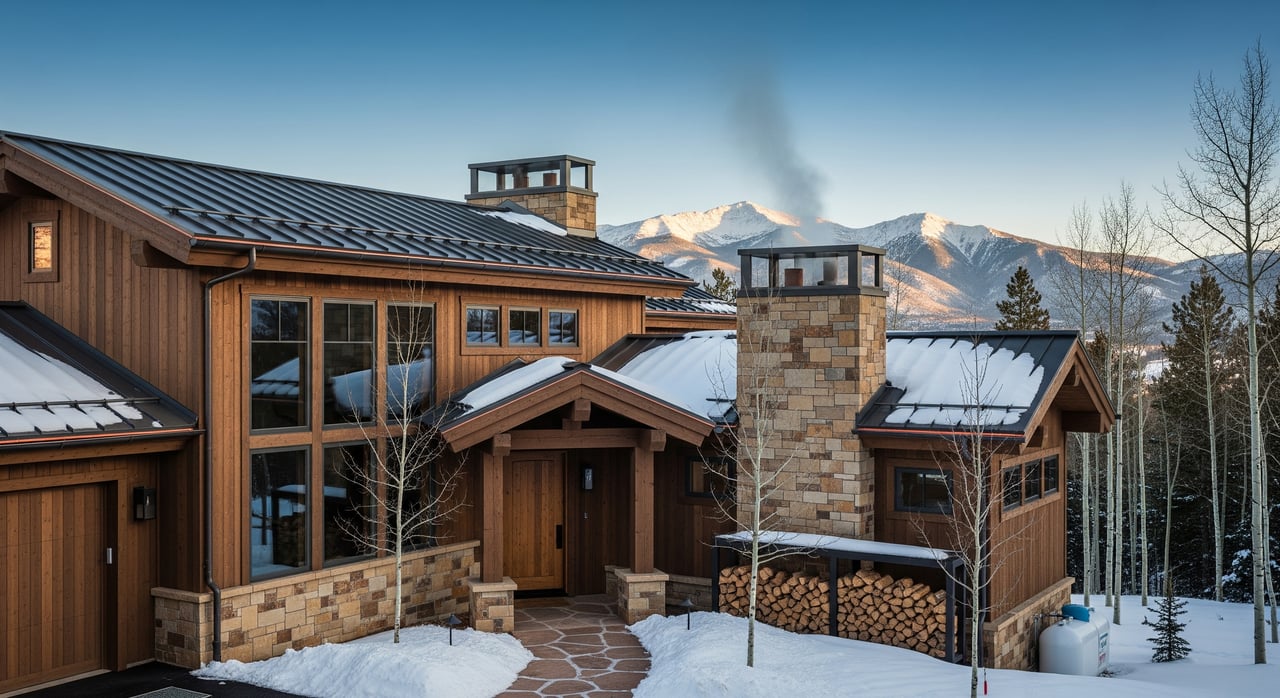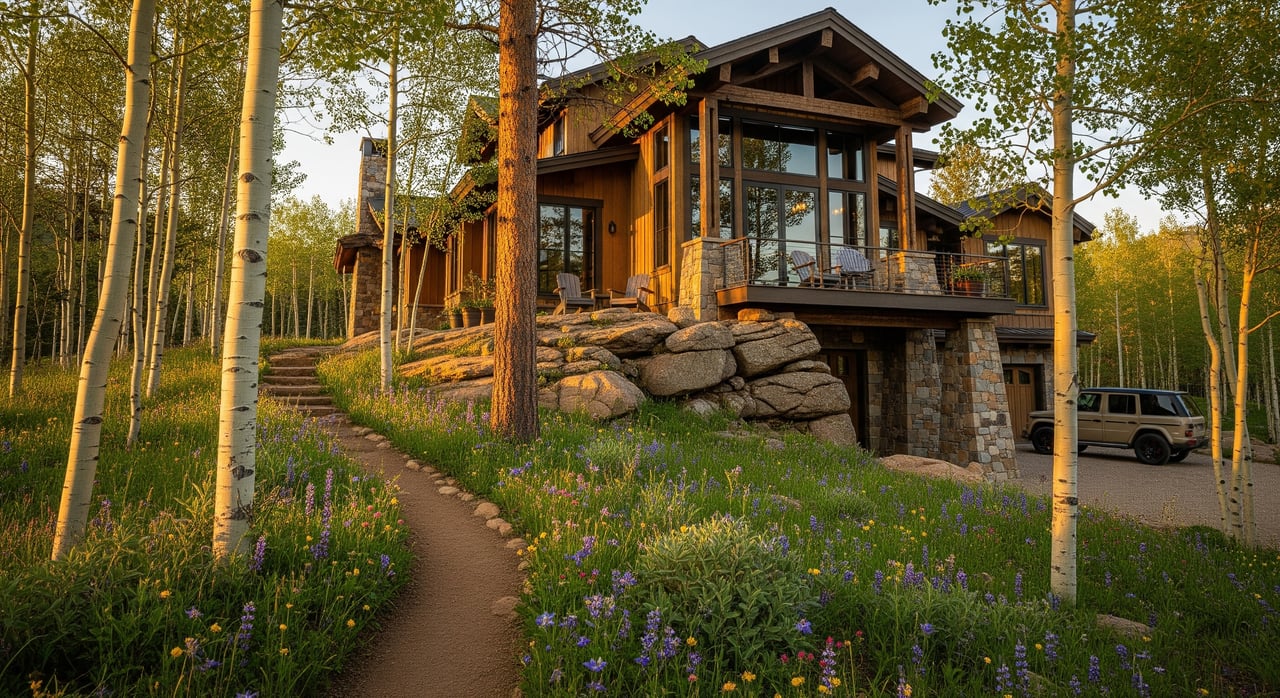
What draws you to Cascade? Maybe it is waking up to pine-scented air, slipping onto a trail after work, or trading city streets for mountain views. If you are considering a move, you likely have practical questions about recreation access, daily driving on Highway 24, utilities, and wildfire readiness. This guide gives you clear, local context on trails, commute realities, and the mountain-living details that matter when you buy or sell in Cascade and Cascade–Chipita Park. Let’s dive in.
Cascade location and community
Cascade and Cascade–Chipita Park sit along U.S. Highway 24 on the western approach to Pikes Peak, just west of Manitou Springs and within easy reach of Colorado Springs. The area is unincorporated, so local planning, building permits, and many services are handled by El Paso County. You will find a mix of classic cabins, single-family homes, and steep hillside lots alongside valley-floor parcels.
The community blends full-time residents with second-home owners who come for the outdoors. It is quiet and low density, with trail access and forested surroundings defining daily life. For county regulations, permits, or property-record questions, start with El Paso County’s resources and departments at the county website. You can find departments and contacts on the El Paso County site.
Trails and outdoor access
Pikes Peak and USFS trail networks
Cascade functions as a gateway to Pikes Peak and to public lands managed by the U.S. Forest Service. Residents enjoy everything from steep alpine ascents to family-friendly forest loops. The Pike and San Isabel National Forests oversee many trails and trailheads nearby, while the Pikes Peak Highway provides a managed, fee-based road to high elevation and the summit when open.
Barr Trail and other national forest routes attract hikers, trail runners, and backpackers. Mountain biking and horseback riding are available on trails where allowed. Parking fills quickly on summer weekends and holidays, so plan for early starts and consider off-peak hours.
Seasonal safety at elevation
Peak trail season runs from late spring through early fall. Shoulder seasons bring rapidly changing conditions, including snow and freeze–thaw cycles. At higher elevations, altitude can affect how you feel and perform. Start early on longer routes to avoid common afternoon thunderstorms in summer, carry layers and plenty of water, and do not rely on cell coverage in remote areas.
Let someone know your plan on bigger days. Search-and-rescue resources exist at the county level, but response can take time on rugged terrain.
Know the rules and closures
Rules for dogs, bikes, camping, and fire vary by trail and season. Check current guidance and trail status before you go. The Forest Service posts updates on closures and fire restrictions; see USFS alerts and notices for the Pike and San Isabel. For road-based access to the peak, review current gate hours, weather restrictions, and fees on the Pikes Peak Highway information page.
Commute and transportation
Highway 24 basics
U.S. Highway 24 is the main corridor linking Cascade to Manitou Springs and Colorado Springs to the east, and to Woodland Park to the west. Expect winding grades, variable visibility, and narrow shoulders in spots. Weather, rockfall, and tourist traffic can affect flow, especially during summer and peak leaf seasons.
For current road conditions and alerts, travelers rely on CDOT’s COtrip site. Winter storms can quickly change road conditions, so check before you go.
Transit, parking, and alternatives
Fixed-route public transit is limited within Cascade, so most residents drive. School bus service is provided by local districts by address, though routes can be longer for rural roads. For trailheads and recreation, parking is limited on busy days. Aim for early or off-peak hours, and consider carpooling when possible.
Winter driving prep
Many residents equip vehicles for mountain driving with quality all-weather or winter tires and keep traction tools handy. Give yourself extra time on storm days and learn how your vehicle handles on snow and ice. If you work remotely, you may find commuting less frequent. Just remember that reliable internet varies by parcel, so verify connectivity during due diligence.
Mountain-living essentials
Water and septic
Water service varies. Some homes use private wells, others have community systems, and a few lower-elevation pockets tie into municipal service. Verify your water source, test water quality when applicable, and understand any water rights. Many properties rely on septic systems. Septic inspections and compliance with county codes are common parts of purchase contracts.
Power, heat, and connectivity
Electricity is available, though overhead lines can be vulnerable in heavy weather. Heating may be natural gas where lines exist, propane, electric, or wood, depending on the property. Backup generators are common in more remote settings. Broadband options range from cable or fiber in limited lower-valley areas to DSL, fixed wireless, and satellite options. Cellular service can be spotty higher up. Always test your devices on-site and consult provider coverage maps.
Permits and building on slopes
El Paso County handles building permits, septic permits, and driveway access permits for Cascade. Steep slopes, drainage, and soils can influence design, engineering, and cost, so plan for geotechnical considerations and specialized construction. You can find county departments, planning, and building contacts through the El Paso County website.
Wildfire readiness and insurance
Homes near forested public lands carry elevated wildfire risk. Create defensible space, consider ignition-resistant roofing and siding, use ember-resistant vents, and make sure your driveway offers access for emergency vehicles. Insurance availability and premiums can be affected by wildfire exposure and distance from fire response resources. It is smart to obtain quotes during escrow to confirm insurability.
Maintenance at altitude
Steep, long driveways demand a snow plan. Many residents contract for plowing or run AWD or 4WD with true snow-capable tires. Older mountain homes can have aging electrical, plumbing, or insulation. Inspections should include roof, drainage, chimney and woodstove systems, and pest checks. If you are moving from lower elevation, pace your first weeks to adapt to altitude.
Buyer checklist for Cascade
Use this practical checklist during your search:
- Confirm water source. Test quality if on a well and verify any water rights and yield.
- Inspect septic. Review county records for permits and past service.
- Assess utilities and connectivity. Test cellular service on-site and identify internet options.
- Evaluate access. Verify whether roads and your driveway are county maintained or private.
- Check wildfire risk and insurance. Get quotes early and review mitigation needs.
- Review permits and improvements. Confirm permits for additions and outbuildings.
- Drive your commute. Test Highway 24 travel at different times and in different weather.
- Understand parking and recreation access. Plan for busy trailhead days in peak seasons.
Seller tips that move the needle
If you are preparing to list in Cascade, a few focused steps can pay off:
- Elevate curb appeal. Clear defensible space, trim trees near the home, and refresh exterior touchpoints.
- Tackle roof and drainage. Clean gutters, confirm flashing, and address visible issues.
- Gather documents. Have well, septic, and permit records ready for buyers.
- Show winter readiness. Provide notes on snow removal, driveway grade, and vehicle needs.
- Spotlight upgrades. Call out insulation, heating system improvements, generators, and internet enhancements.
- Emphasize location benefits. Highlight proximity to trailheads, sun exposure, and views in your marketing.
Weather, planning, and daily rhythm
Mountain weather changes fast. A clear morning can shift to a quick squall, and summer often brings afternoon thunderstorms. Always check the National Weather Service forecast for the Pikes Peak region before big days out, and build a little buffer into your schedule.
For road conditions, detours, or chain requirements during storms, review CDOT’s COtrip conditions and travel alerts. If you plan to visit the summit or high-elevation areas by car, confirm current status and any seasonal restrictions on the Pikes Peak Highway page. For trail closures, fire restrictions, and stewardship updates, use the USFS alerts and notices.
Is Cascade a fit for you?
If you want quick access to forest trails, mountain scenery from your deck, and a small-community feel, Cascade delivers. You trade some conveniences for that lifestyle. Winter driving requires preparation. Utilities and connectivity vary by parcel. Wildfire readiness and smart home maintenance are part of the deal. With the right guidance and due diligence, you can make a confident decision and enjoy the best of mountain living.
Ready to explore properties or talk through the details of wells, septic, slopes, and Highway 24 access? Connect with The Sims Home Team for local, hands-on guidance tailored to Cascade and the Ute Pass communities.
FAQs
How close is Cascade to Colorado Springs employment centers?
- Cascade sits west of Colorado Springs along Highway 24. Travel time varies by weather, traffic, and your exact start and end points. Use a live mapping service for current conditions.
Can you drive to the Pikes Peak summit year-round from Cascade?
- The Pikes Peak Highway is open much of the year, but weather restrictions and seasonal closures can limit access. Always check current status and fees before you go.
Are many Cascade homes within walking distance of trails?
- Many properties are close to trailheads or forest access, but actual walking distance depends on your specific address and parking layouts. Some homes are adjacent to trails, while others require a short drive.
What is the Highway 24 commute like in winter?
- Conditions change quickly with snow and ice, and incidents can add time. Check CDOT’s COtrip for live updates and leave extra time on storm days.
Will you have reliable cell service and fast internet in Cascade?
- Coverage varies by parcel and provider. Test your devices on-site and review ISP coverage options. Satellite and fixed wireless can fill gaps where cable or fiber is not available.
What permits and inspections should buyers expect in Cascade?
- El Paso County handles building, septic, and driveway permits. Inspections often include septic, well testing where applicable, roof, chimney, and drainage. Find county contacts at the El Paso County website.